
PoE vs Wireless Security Cameras — Which Is Right for Your Australian Home?
When setting up a home security system, one of the first decisions you'll face is whether to go wired (PoE) or wireless. Both work. Both have real advantages. The right choice depends on your property and how you plan to install it. Here's the honest breakdown.
What Is PoE?
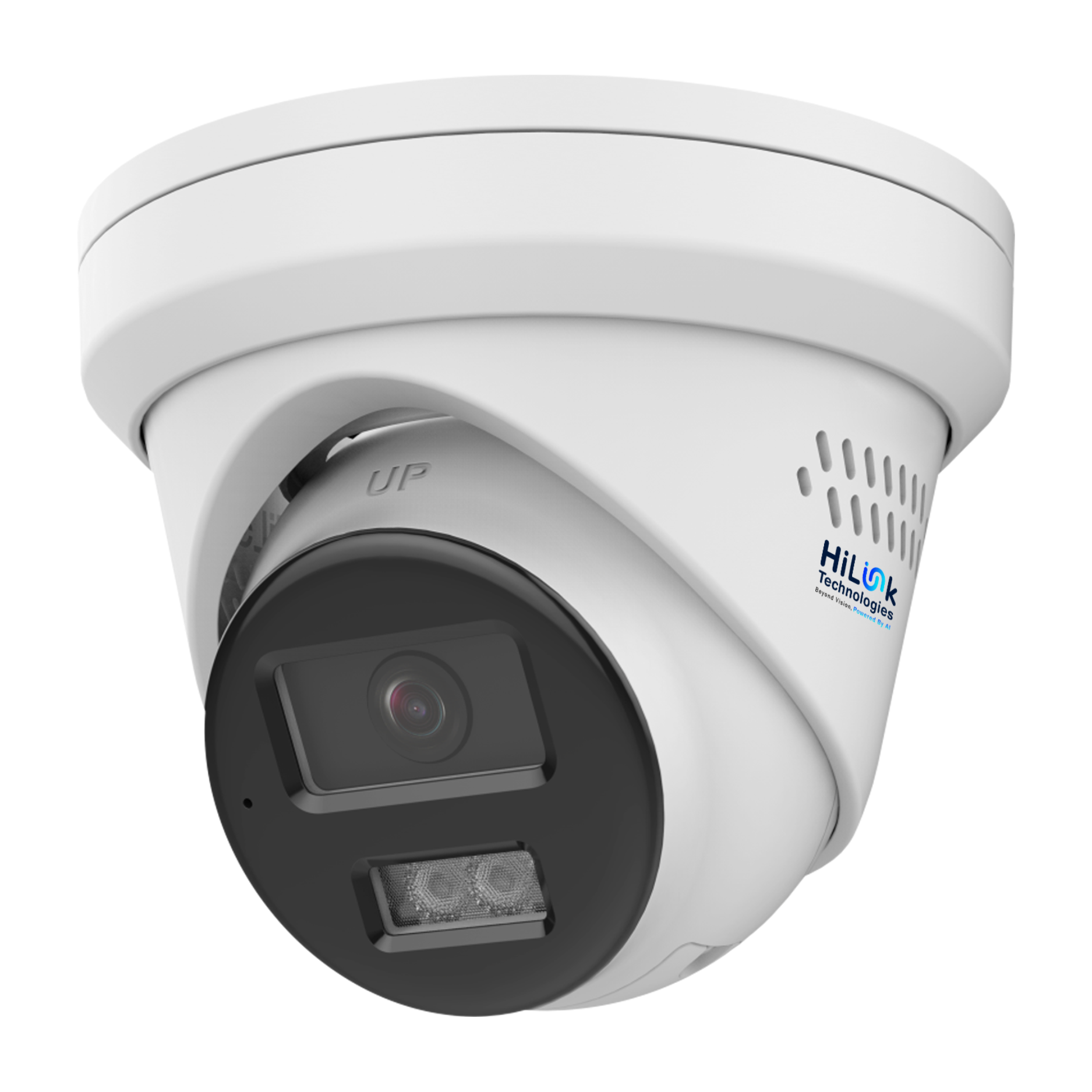
PoE stands for Power over Ethernet. A PoE security camera receives both its power supply and its video signal through a single Cat6 Ethernet cable that runs from the camera to a central NVR (Network Video Recorder). No separate power outlet is needed at each camera location — just one cable does everything.
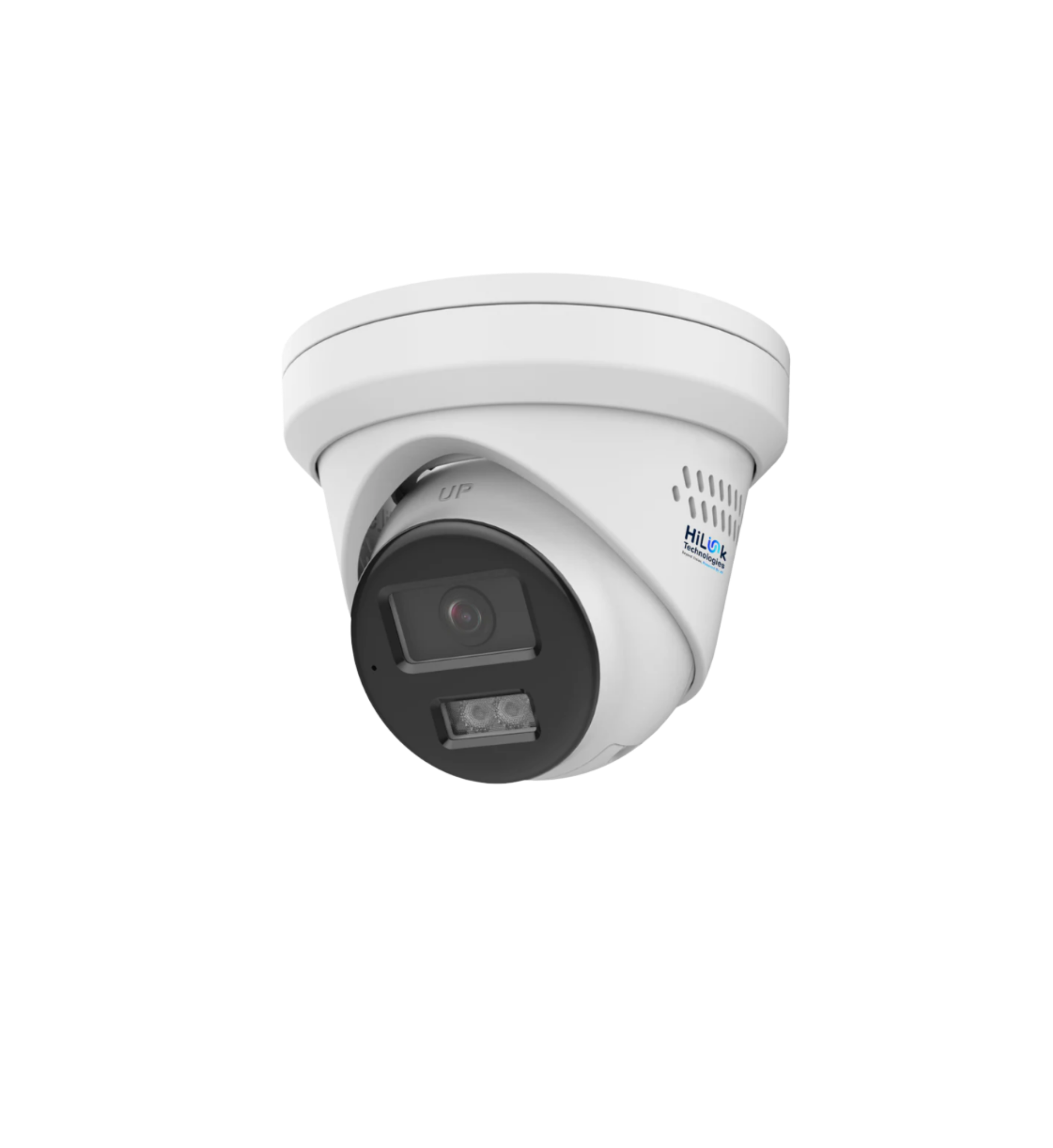
All HiLink camera kits are PoE-based, using Cat6 cable and an 8-channel NVR with built-in PoE ports. Each camera is simply cabled back to the NVR.
What Is a Wireless Security Camera?
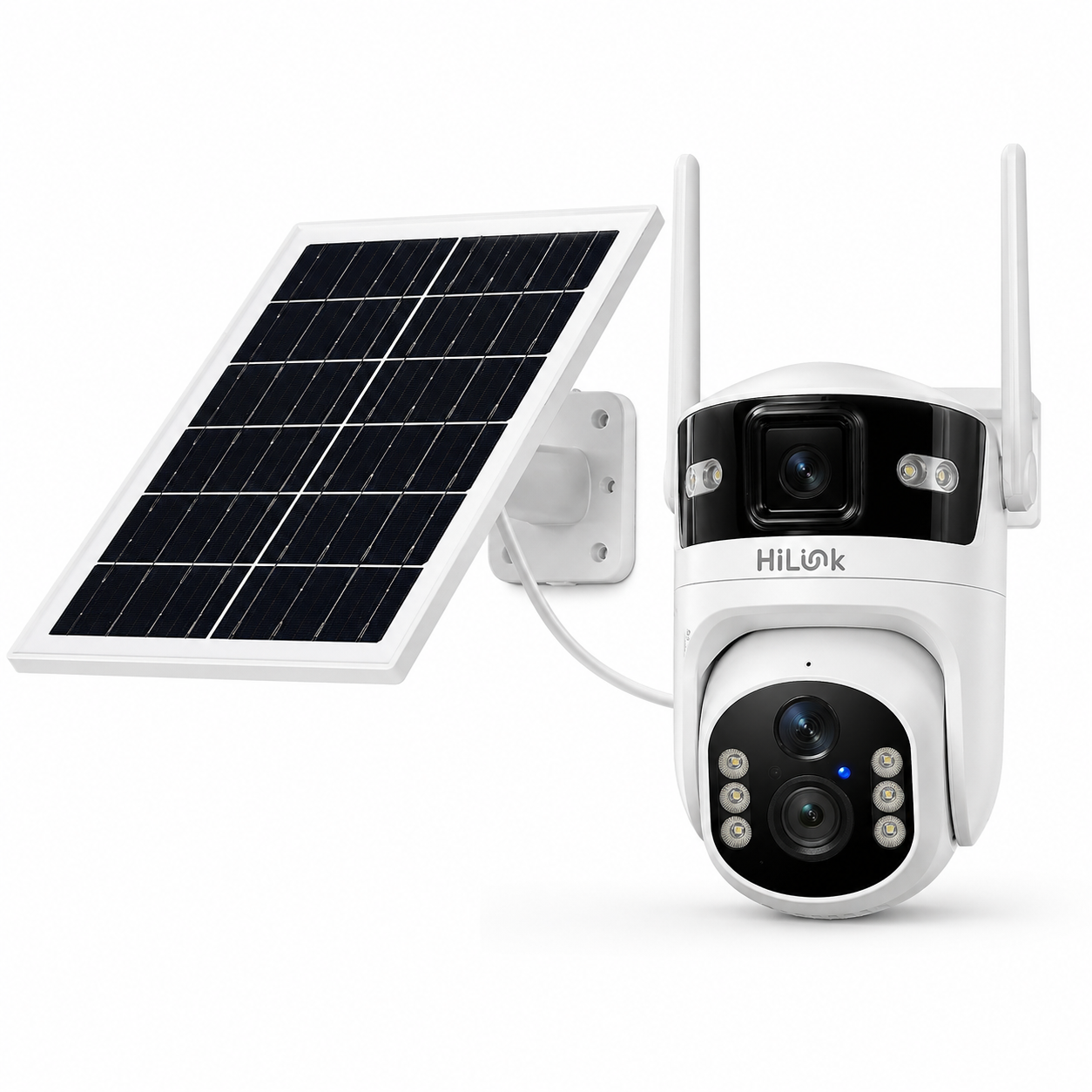
Wireless cameras transmit video over Wi-Fi. They still need power — either from a nearby power outlet or a rechargeable battery — but they don't require a cable run for video. The HiLink Solar 4G PTZ Camera is a wireless camera, but goes one step further: it uses solar charging and 4G mobile data, eliminating both power cables and Wi-Fi dependency entirely.
PoE Cameras: Pros and Cons
Advantages
- Rock-solid reliability — wired connection means no Wi-Fi dropouts or interference
- Consistently high video quality — bandwidth is not shared with other devices on your network
- No battery to recharge — powered continuously via the Cat6 cable
- Better for 4K and continuous recording — high-bandwidth streams handled easily over cable
- Works independently of your router — the NVR records locally even if your internet goes down
Disadvantages
- Requires cable runs — you need to route Cat6 cable from each camera to the NVR
- Installation effort — drilling through walls and ceilings is involved for a clean install
- Fixed positions — cameras can't be moved easily once installed
Wireless Cameras: Pros and Cons
Advantages
- Easier installation — no cable runs required
- Flexible placement — can be repositioned if you need to adjust coverage
- Ideal for remote locations — sheds, rural properties, gates with no infrastructure nearby
- 4G options work everywhere — no Wi-Fi or NBN required (see HiLink Solar 4G PTZ)
Disadvantages
- Wi-Fi dependent (for standard wireless cameras) — signal strength and interference affect reliability
- Battery maintenance — rechargeable cameras need regular attention
- Potential network congestion — multiple cameras competing for Wi-Fi bandwidth
Which Should You Choose?
Choose PoE if: You're securing a permanent home or business, you want the most reliable system possible, you're comfortable with a one-time installation involving cable runs, and you want 4K quality with continuous recording.
Choose wireless (4G solar) if: You need to cover a remote location with no power or internet, you're renting and can't drill, you want a camera at a farm gate or rural shed, or you need quick temporary coverage.
For most Australian homeowners securing a permanent residence, a PoE system like the HiLink camera kits is the better long-term investment. For remote or infrastructure-free locations, the HiLink Solar 4G PTZ with 12 months of free data is unbeatable.
Frequently Asked Questions
How far can a PoE cable run?
Up to 100 metres per cable run — more than enough for most residential properties. For runs longer than 100m, a PoE extender or mid-span switch can extend the distance.
Can I mix PoE and wireless cameras on the same system?
Yes — the HiLink NVR can integrate both wired PoE cameras and compatible IP cameras on your network. The Solar 4G PTZ operates independently and does not require the NVR.
Do PoE cameras work if the internet goes down?
Yes — the NVR records locally to the hard drive regardless of internet status. Remote viewing requires internet, but local recording continues uninterrupted.


%20or%20wireless.%20Both%20work.%20Both%20have%20real%20advantages.%20The%20right%20choice%20depends%20on%20your%20prope...)